Narrative and edited by the Morning Color Magazine
Maybe you have encountered individuals who seem to lack empathy, show no compassion, and are likely to hurt others without feeling remorse or regret. These individuals are called psychopaths. It may be said that psychopaths appear cold, indifferent, and unemotional towards the distress of others. However, distinguishing psychopathy or mental disorders is more difficult than any other disorder. In this article, we want to talk about psychopaths, their behavioral signs, differences from antisocial personalities, and answer common questions about these individuals. Stay with us.
Who is a Psychopath?
Psychologists use the term psychopath to describe an individual who is emotionally detached, insensitive, and morally corrupt. However, this term does not exist in the Diagnostic and Statistical Manual of Mental Disorders (DSM) and is only used for legal or clinical purposes. Therefore, psychopathy (and sociopathy) is not an official diagnosis for individuals with mental health issues, and descriptions related to these individuals fall under the category of Antisocial Personality Disorder (ASPD).
It is important to note that a psychopath is not the same as an antisocial personality, and many of their characteristics overlap with those of individuals with Antisocial Personality Disorder. This disorder is more extensive and is used to describe all individuals who repeatedly violate laws and norms. In fact, there are a number of individuals with Antisocial Personality Disorder who are psychopaths. We will discuss the differences between these two in this article.
Signs of Psychopathic Individuals
Psychopaths or sinister minds have specific signs, and various tests are used to diagnose them. Correctly conducting these tests is the responsibility of mental health professionals, and even they may find it difficult to diagnose this mental disorder. We will discuss these tests in due time. For now, let’s become more familiar with the signs of these individuals. These signs are visible from childhood and may worsen over time.
1. Attractive Appearance and Smooth Talk
Psychopaths often have a charming appearance. They are usually good speakers, and the stories they tell make them look good. They can be funny and charismatic.
2. Exaggerated Self-Esteem
Self-aggrandizement is a prominent trait of psychopaths. These individuals are very sure of themselves and believe they are important and deserving. They feel superior, believing that they live by their own rules and that society’s rules do not apply to them.
3. Need for Stimulation and Thrill
Psychopaths love excitement and often fulfill this need by breaking rules. They enjoy being on the edge, ready to fall into trouble at any moment, and enjoy the thrill of making mistakes and getting away with it. This is why they are always prone to boredom and typically do not have the patience for repetitive daily tasks.
4. Pathological Lying
Psychopaths lie to make themselves look good in front of others and to get out of trouble. They tell new lies to cover up their previous lies. If they forget what they said or others point out inconsistencies in their statements, they will immediately and easily change the story and come up with a clear solution.
5. Deception and Manipulation to Make Others Do Their Bidding
Psychopaths can manipulate people to do what they want. They are highly deceptive and misleading.
6. Lack of Remorse or Conscience
Psychopaths do not care about the impact of their actions on others. Not only do they not feel guilty about the harm they have caused to others, but they may even insist that those people are exaggerating their hurt feelings. Psychopaths do not feel guilty about the suffering they inflict on others. In fact, they rationalize their behavior and will blame others rather than feel remorse.
7. Superficial Affection
Psychopaths do not show many emotions, at least they do not have genuine feelings. They always appear cold and unemotional, but only until they know there is no benefit to them in it. If these individuals know that displaying various emotions can help them achieve their goal, they will not hesitate to do so. For example, when they need to scare someone, they will show anger, and when they need to manipulate someone with empathy, they will act sad. They don’t actually feel these emotions and only temporarily play a role.
8. Lack of Empathy with Others
Psychopaths cannot easily understand how others feel fear, sorrow, grief, or anxiety. These feelings are completely illogical to them. They are indifferent to the suffering of others, even if it is a close friend or a family member. Therefore, they cannot empathize with others.
9. Parasitic Lifestyle
Psychopaths can tell sad stories about why they cannot earn enough income or pretend to be victims of others. They live financially dependent on others. In general, psychopaths can parasitize people like leeches, taking advantage of them without caring about their feelings.
10. Lack of Control over Impulsivity
Psychopaths usually cannot adhere to laws, norms, and policies. Even if they decide to do so, they cannot stick to that decision for long.
11. Deviant Sexual Behavior
Psychopaths are unrestrained in sexual matters. They do not care about those around them and are likely to betray their life partner. They may have risky sexual relationships with strangers or use this method to achieve what they want. Their sexual relationships are not emotional or romantic.
12. Early Behavioral Problems
Most psychopaths begin to show signs of behavioral problems from childhood. Cheating, skipping school, damaging public property, substance abuse, and violent acts are all inappropriate behaviors that will escalate over time. You may think many children will display such behaviors; that’s true, but psychopaths will engage in these behaviors more severely than their peers.
13. Impulsivity
Impulsivity means doing things or making decisions in an irrational way without logical reasoning behind them. Psychopaths do not spend time evaluating the consequences of their actions or thinking about the potential risks and benefits of their choices. They simply want to do something that satisfies them intensely. For example, if they feel they should quit their job now, they will do so without any thought. They will end their relationship with the same intensity, move to a new city, and buy a new car.
14. Lack of Realistic Long-Term Goals
The goal of psychopaths is often to become wealthy or famous, and this is not inherently bad. However, these goals are usually not realistic for psychopaths, and they often do not know how they intend to achieve them. They just have an insistence on reaching their goals without putting in effort or taking any necessary steps.
15. Irresponsibility
Promises and agreements mean nothing to psychopaths. You cannot rely on them to repay a loan or sign a contract. They cannot be trusted to give their child money, accrue high debts, or keep their commitments.
They do not even take responsibility for their own actions. Without feeling remorse or accepting responsibility for their mistakes, they harm others quite easily. They always blame others for their problems and often play the victim role. They like to create narratives about how others have taken advantage of them.
16. Multiple and Unsuccessful Marriages
Psychopaths can get married, but these marriages are not based on love, and there is definitely a benefit for them in them. For example, they may marry a spouse who has a significant income and can live comfortably with that income or pay off their debts from that marriage. As usual, their moves will backfire, and they will end up divorcing each time.
17. Committing Various Crimes
Many criminals will only engage in one type of unlawful work, for example, a regular murderer will not have financial transgressions, not assault someone, or steal. However, as usual, psychopaths will commit several types of crimes together. From traffic and financial violations to theft, murder, and violent acts. The reason is that psychopaths consider laws a kind of opinion and do not see them as compulsory to follow.
Psychopaths consider laws as restrictions that hold them back. This is why they engage in misconduct in every area. Certainly, not all psychopaths end up in prison. Some can perform their activities under the cover of normal jobs or engage in unethical acts that do not result in imprisonment.
18. Revocation of Conditional Freedom
Revocation of conditional freedom among psychopaths who are sentenced to prison is common. The reason is that these individuals are not bound by the rules of conditional freedom and may believe that they will not get caught again. Therefore, they commit crimes again. As usual, they find justification for their actions or blame others for their predicament.
Movie Reference for a Better Understanding of Psychopathy
Sometimes reading psychological characteristics alone is not enough to understand the complexities of a disorder, and watching well-crafted films can help you better understand these behavioral traits. It is essential to be aware that cinema sometimes exaggerates these features to make the story more interesting, but the following films give a relatively accurate portrayal of various aspects of psychopathy (especially deceit, attractive appearance, and lack of empathy):
Movie Title: American Psycho

Year of Formation: 2000
Character: Patrick Bateman
This film is an exemplary depiction of the combination of attractive appearance, obsession with social status, and complete lack of empathy. Patrick Bateman represents an “organizational psychopath” hidden behind the facade of a successful and well-dressed manager.
Movie Title: Gone Girl

Year of Formation: 2014
Character: Amy Dunne
Reason for Reference: An accurate display of an intelligent psychopath who, with cold and calculated scheming, manipulates everyone, masterfully playing the role of every victim.
No Country for Old Men
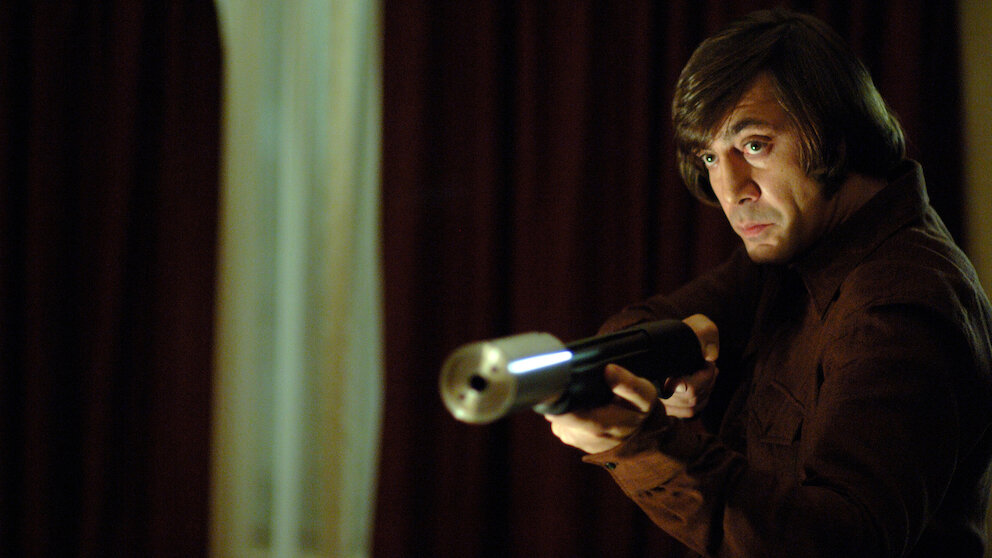
Psychologists and mental health professionals consider the character Anton Chigurh to be one of the most clinically realistic portrayals of psychopathy in cinema history. He shows no remorse, empathy, or compassion and acts completely cold, indifferent, and based on his own rules.
Famous Psychopaths
Some famous psychopaths include:
- Ted Bundy: The most terrifying serial killer in history. He likely scored the highest in the psychopathy test.
- Charles Manson: American criminal.
- Richard Ramirez: American serial killer.
- Vlad the Impaler: Bloodthirsty Romanian emperor.
- Elizabeth Báthory: Hungarian Countess, one of the most wicked female criminals in history.
- James Fallon: Renowned neuroscientist considered a good and law-abiding psychopath.
Final Thoughts
The issues and discussions on human behaviors and disorders such as psychopathy have always been complex. The various combinations of behaviors and actions of psychopaths are so diverse that it is difficult to determine whether these individuals are psychopaths or not. However, if a friend, boss, spouse, or relative seems like a psychopath, be careful. While you may be wrong, not setting healthy boundaries can harm your mental health. It is important to recognize when they are exploiting you. If this becomes a cause of distress, seek support from a mental health professional. They can support you in taking care of yourself.
If you have the ability to deal with a psychopathic or antisocial person, please share in the comments. What signs make you suspicious of them?